
Define your range
Choose adhesive or heat-welded joints. Discuss thickness, roll format and required performance using the published product data as a starting point.

PRE-APPLIED HDPE · OEM & PRIVATE LABEL
Pre-applied HDPE waterproofing for basements, foundations and below-ground concrete structures. Choose adhesive or heat-welded joints and discuss OEM supply for your market.
HDPE waterproofing layer
Bonds to freshly placed concrete
Selected around site conditions
OEM & PRIVATE LABEL
Planning an HDPE membrane range under your own brand? Bring your product brief, market requirements and packaging ideas to an OEM discussion.
Choose adhesive or heat-welded joints. Discuss thickness, roll format and required performance using the published product data as a starting point.
Share your logo, label language and packaging artwork requirements. Agree the final artwork, product identification and packaging scope before ordering.
Provide order quantity, destination and target delivery date. Minimum order quantity, lead time and available customisation are confirmed for each enquiry.
Final specifications, branding options, samples and commercial terms are subject to written confirmation.
Discuss an OEM project ↗CHOOSE YOUR MEMBRANE SYSTEM
Explore the membrane build-up, performance and installation requirements of each system. Both ranges use pre-applied HDPE technology with a hot-melt adhesive bonding layer.
HOT-MELT ADHESIVE · PRE-APPLIED BONDING
 ADHESIVE-JOINTED MEMBRANE
A composite waterproofing membrane developed for underground and tunnel works. A modified HDPE sheet provides the primary water barrier, while the hot-melt adhesive and surface separation layers enable bonding to freshly placed concrete.
The membrane is laid before the concrete pour, with its bonding face towards the structure. The supplied description identifies a water-soluble separation layer that dissolves on contact with wet concrete, allowing the adhesive layer to form the bond.
For the documented side-wall detail, secure the membrane with metal termination bars and stainless-steel screws at 200 mm centres. Maintain at least 100 mm effective overlap at the roof-slab-to-wall junction, then restore protection promptly. These dimensions apply to this specific detail; see the application guide.
HOT-MELT ADHESIVE · HEAT-WELDED OVERLAPS
HEAT-WELDED JOINT SYSTEMA pre-applied composite membrane combining an HDPE waterproofing sheet, a hot-melt adhesive bonding layer and a water-soluble surface separation layer. Adjacent sheets connect through heat-welded overlaps, while the membrane surface bonds to freshly placed concrete.
This separates two functions: welded overlaps provide continuity between sheets, and the concrete bond helps restrict water migration between the membrane and the structure.
The supplied method specifies 100 mm heat-welded overlaps, clean weld faces and trial welding before installation. Work at ≥ 5°C; avoid rain, snow and winds above Beaufort force 5. Inspect joints, repair damage and protect the concrete-bonding surface.
Specifications are taken from the supplied product sheets. Select one complete configuration and confirm its test reports, accessories and installation method for the project.
A CONNECTED WATERPROOFING SYSTEM
The membrane is installed before concrete is placed. As the concrete bonds to the membrane, the interface helps limit pathways for lateral water migration between the waterproofing and the structure.
The HDPE sheet provides the primary waterproofing layer.
Bond quality depends on a clean surface and suitable concrete placement.
Joints, penetrations and corners need coordinated detailing.
Concept only; not to scale. Final build-up and compatible materials must follow the project design and approved installation method.
BUILT FOR BELOW GROUND
Match membrane specifications and details to the structure, groundwater conditions and construction sequence.
Installed before the slab is poured, with coordinated waterproofing at pile heads, sumps, penetrations and construction joints.
FOCUS / Continuity beneath the slabAssess pre-applied installation against the retaining structure and formwork arrangement. Plan fixing, corners, overlaps and terminations together.
FOCUS / Wall-to-slab transitionsView the side-wall application guide ↗Select the system to suit the structural form, joint layout and working conditions. Demanding water pressure or chemical exposure requires a separate suitability assessment.
FOCUS / Conditions and detailingSubways, tunnels, reservoirs, canals, landfills, sewage treatment facilities, metallurgical and chemical facilities, and underground floors and side walls of industrial and other buildings. Each use requires a compatible pre-applied design; water-contact, chemical-resistance or environmental suitability must be verified for the particular project.
FROM MATERIAL TO MEMBRANE
Look beyond the finished roll. Confirm the specification, membrane build-up and installation requirements before procurement.
Read the complete product guide ↗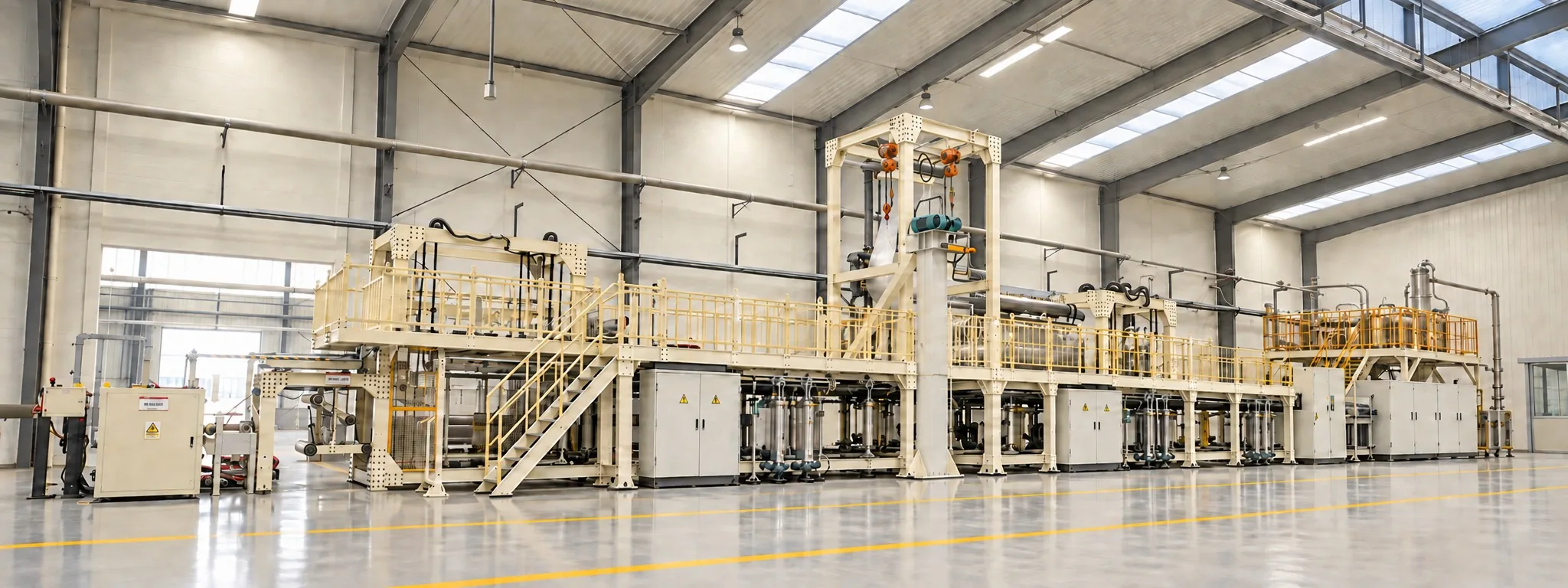
BOTH MEMBRANE SYSTEMS
Storage, handling and quality requirements from the supplied product sheets apply to both ranges unless a confirmed product instruction states otherwise.
For horizontal storage, the source limits stacking to five layers. For vertical storage, keep rolls in a single layer. Separate different product types and specifications to avoid incorrect use.
Keep rolls away from direct sunlight and rain, and store them in a well-ventilated area. Maintain a storage temperature no higher than 45°C, and relative humidity no higher than 80%, as stated in the supplied sheets.
The product sheet specifies a shelf life of one year from the date of manufacture under normal storage conditions, with reinspection and confirmation of suitability after that period. This storage period is not an installed waterproofing warranty.
QUALITY & SAFETY
Read the applicable safety instructions. Inspect the membrane surface, overlaps and details; repair defects and protect completed work from damage or contamination. Contact Hongyuan’s technical team for construction and safety questions.
QUESTIONS, ANSWERED
These products combine an HDPE sheet with a hot-melt adhesive bonding system for pre-applied installation. Compare the complete build-up, jointing method, intended application and verified performance when specifying; the material name alone does not determine suitability.
Start with the jointing conditions on site. Adhesive joints require suitable surface preparation and consolidation in accordance with the approved installation method. Heat-welded joints need compatible equipment, validated settings and inspection. Assess membrane thickness, detailing and installer capability together.
This range is presented for below-ground, pre-applied applications. Temporary exposure during construction is not equivalent to long-term weathering performance. Roofing and other exposed uses require separate product and system approval.
Include the project country, application area, quantity, preferred thickness, jointing method and groundwater conditions, together with the applicable project specification or testing requirements. These details help establish a suitable supply proposal.
LET’S TALK ABOUT YOUR PROJECT
Share your application, target specification and site conditions, or tell us about the membrane range you want to offer under your own brand.
OEM ENQUIRY CHECKLIST